


It’s Election Day. By tonight, or maybe by the end of the week, some candidates will have won and some will have lost. Some of the people you voted for will hold office. Some will not.
However, regardless of what human powers advance (or don’t) this Election Day, the public task of the Church will stay the same. Especially in a democratic society, the Church is called to be a voice of moral conviction and accountability.
In a democracy, that job begins the moment we put someone into office.
So, I think, the more revealing question isn’t what happens today. It’s what Christians do tomorrow.
The Real Work Is in the Everyday
Today, some folks will win their races. They may be the people you voted for. They may not be. Regardless, your job is the same: speak truth to power, and maintain the witness and integrity of the Church.
That job doesn’t end when you leave the polling place. Voting is one act of citizenship, engaged in up to once a year (or twice if you count primaries).
Witness, however, is daily. It shows up in how we talk about the people in power, what we are willing to criticize, and what we are willing to excuse.
This has always been the role of the Church, and it has often been an unpopular one.
The Examples of the Prophets
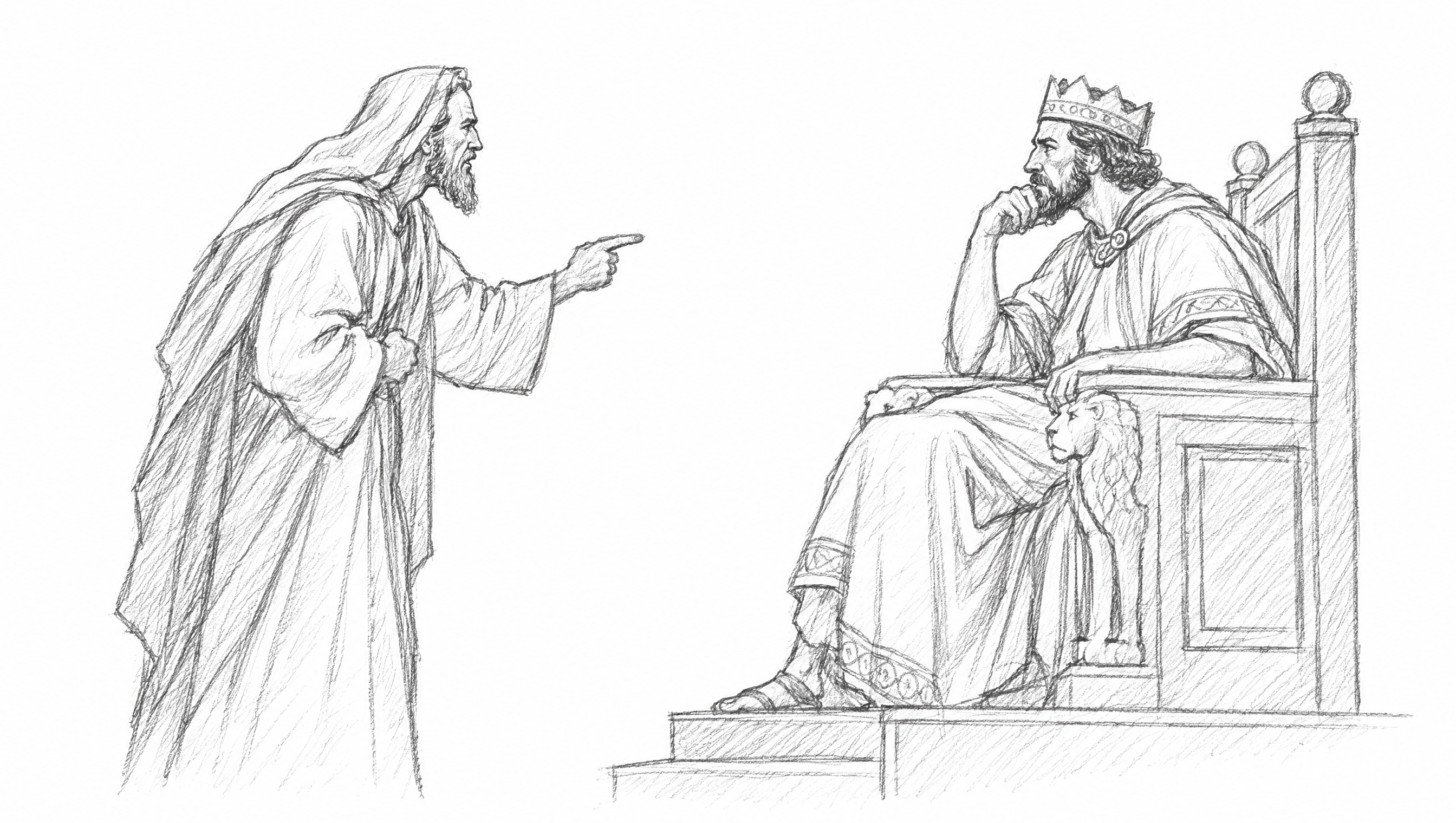
We can go back to the Old Testament to find the role of the prophets fulfilled in speaking conviction to Israel’s leaders, even those largely in alignment with God.
David was Israel’s greatest king and a man who loved God. Yet after he took Bathsheba and arranged the death of her husband, Uriah, God sent the prophet Nathan to confront him (2 Samuel 12:1). Nathan told the king a story about a rich man who stole a poor man’s only lamb. When David burned with anger at the rich man, Nathan answered: “You are the man!” (2 Samuel 12:7, CSB).
Nathan wasn’t an outsider lobbing criticism at a hostile regime. He was a prophet speaking to a king God had blessed, a king the people of God had every reason to support. That is the point. No leader, however aligned with God’s people, is beyond the reach of God’s truth or the criticisms of God’s people when they do wrong.
John the Baptist and Herod
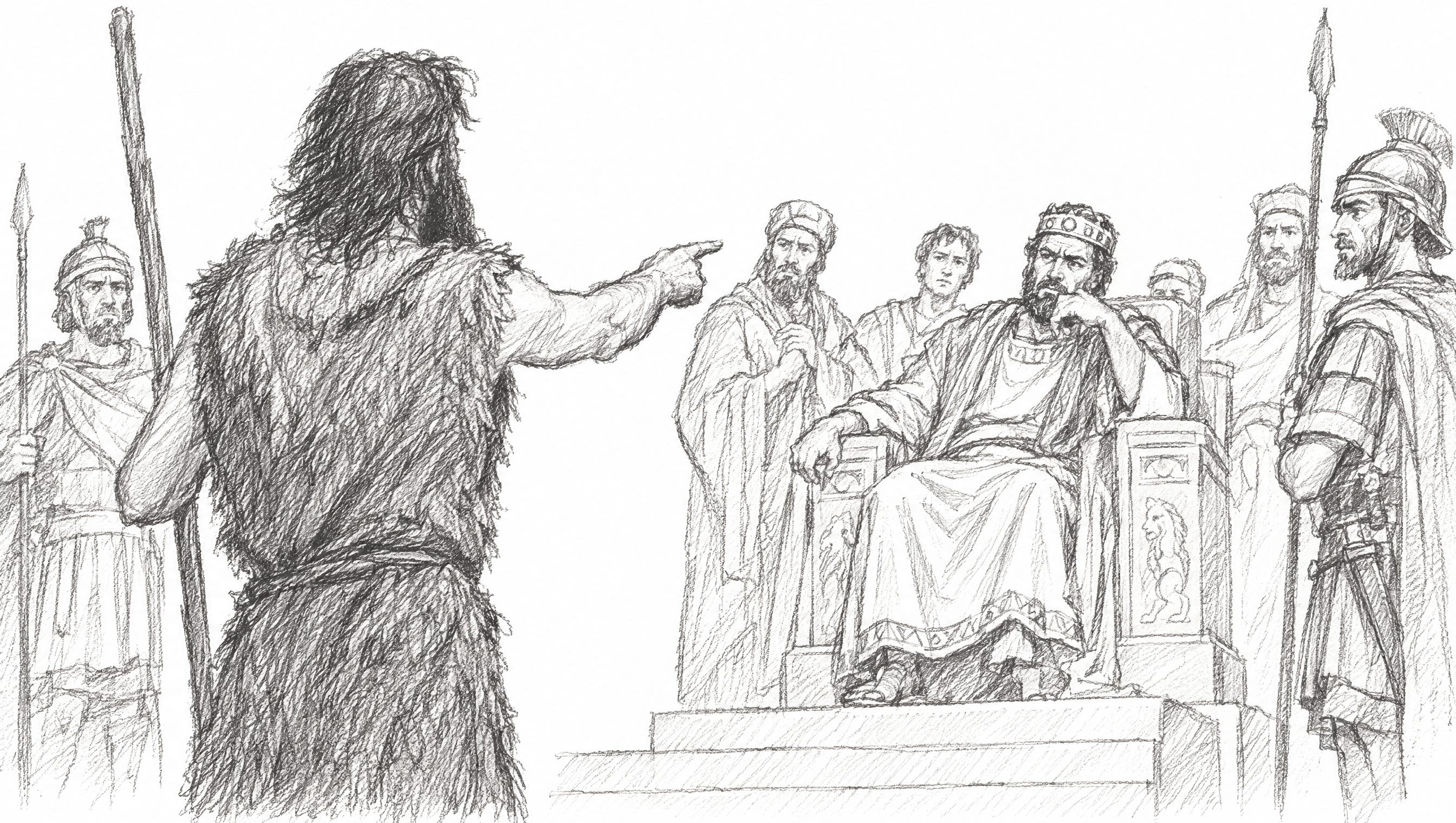
In the New Testament, we see John the Baptist confront Herod over his sin. Herod had married Herodias, his brother’s wife, and John had been telling him plainly, “It is not lawful for you to have your brother’s wife” (Mark 6:18, CSB).
According to Mark 6, John’s brave and plain voice of conviction appears to have perplexed Herod, but also captivated him:
“So Herodias held a grudge against [John] and wanted to kill him. But she could not, because Herod feared John and protected him, knowing he was a righteous and holy man. When Herod heard him he would be very perplexed, and yet he liked to listen to him.” (Mark 6:19–20, CSB)
John didn’t soften his message to placate Herod. He didn’t restrict his prophetic voice to conviction against Rome as the “greater evil.” No, he spoke truth to the powers before him, and his words appear to have both resonated with Herod in a strange way and also eventually cost him his life (Mark 6:27).
John set an example that would go on to be repeated by courageous followers of God for 2,000 years. Here are three.
Three Examples of Persistent Christian Witness
Justin Martyr (c. A.D. 100–165)
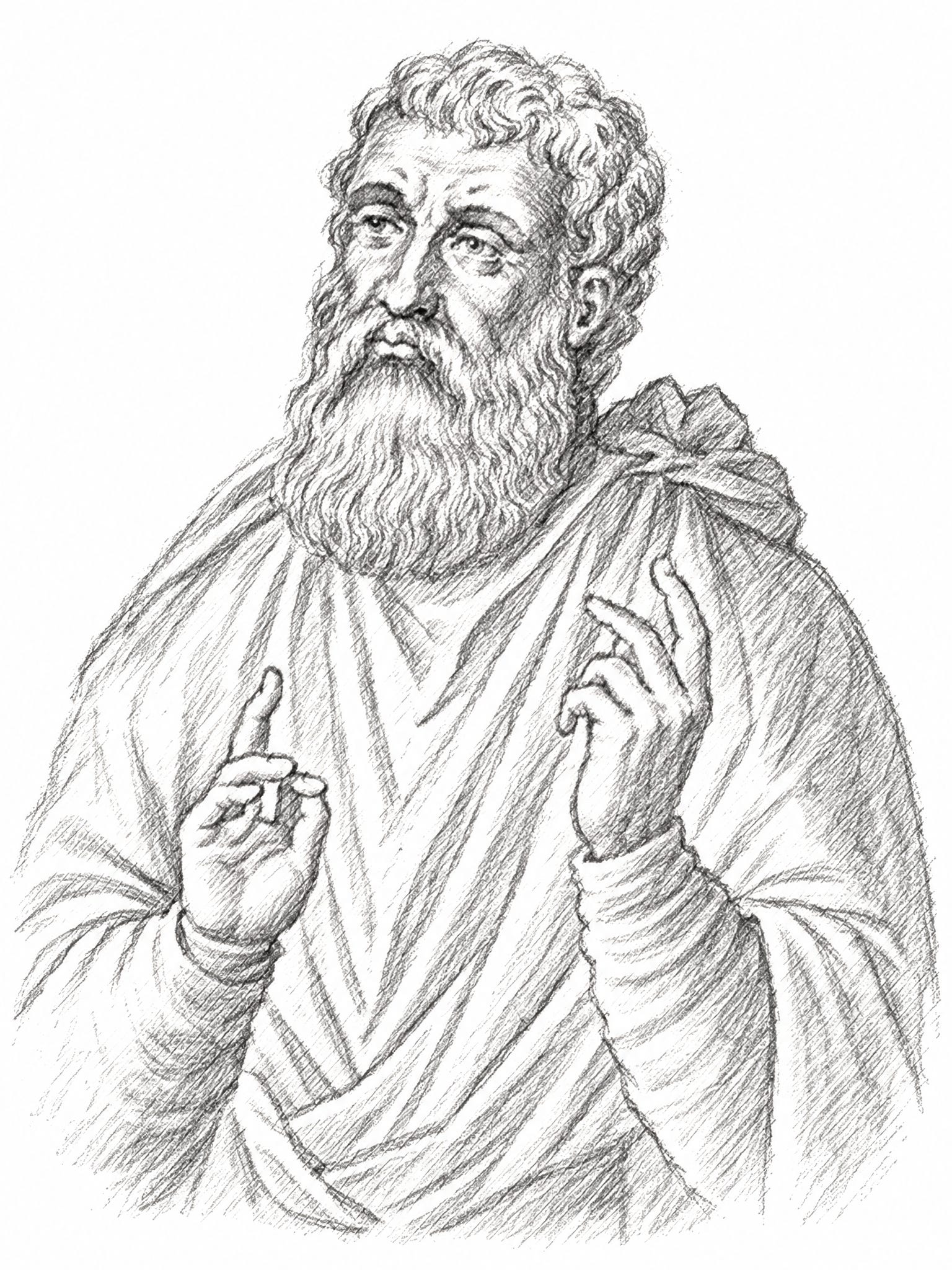
Justin Martyr became a Christian around A.D. 130. He famously wrote two defenses of the faith, the first addressed to the Roman Emperor Antoninus Pius and his two sons (one of whom was the well-known philosopher, Marcus Aurelius). These would come to be known as his First and Second Apology, in which he defended Christian virtues and made the case for Christian convictions to Rome’s leaders.
He wrote to the most powerful men in the world without flattery. Early in the First Apology, he told them plainly, “you can kill, but not hurt us” (First Apology 2). Justin would be killed around A.D. 165, beheaded for refusing to sacrifice to pagan gods.
Antonio de Montesinos (c. 1475–1540)
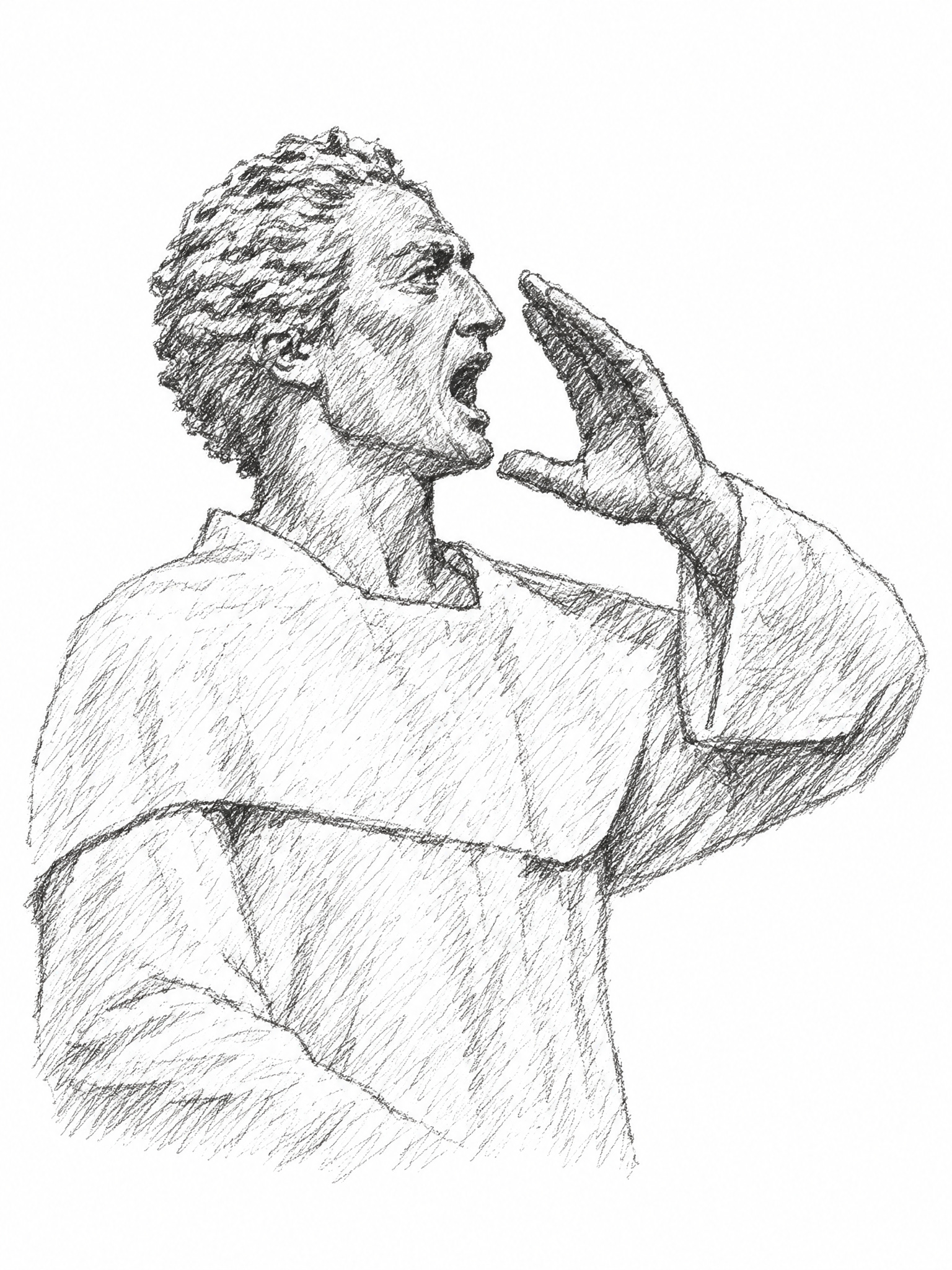
Montesinos was a Dominican friar on Hispaniola. On the fourth Sunday of Advent in 1511, he preached what is widely regarded as the first sermon in the Americas to condemn Spanish colonists’ cruelty toward Indigenous peoples. The sermon wasn’t his alone: his Dominican community wrote it, signed it together, and chose him to deliver it. Bartolomé de las Casas preserved its central challenge: “Are they not men? Do they not have rational souls?”
In response to his moral challenge, outraged colonists appealed to the crown, and King Ferdinand ordered Montesinos and others recalled to Spain. Montesinos carried his voice of conviction before the king himself, and helped bring about the Laws of Burgos (1512), governing the treatment of Indigenous people under Spanish rule. Though the laws fell short of what he sought, he had played his part dutifully.
Dietrich Bonhoeffer (1906–1945)
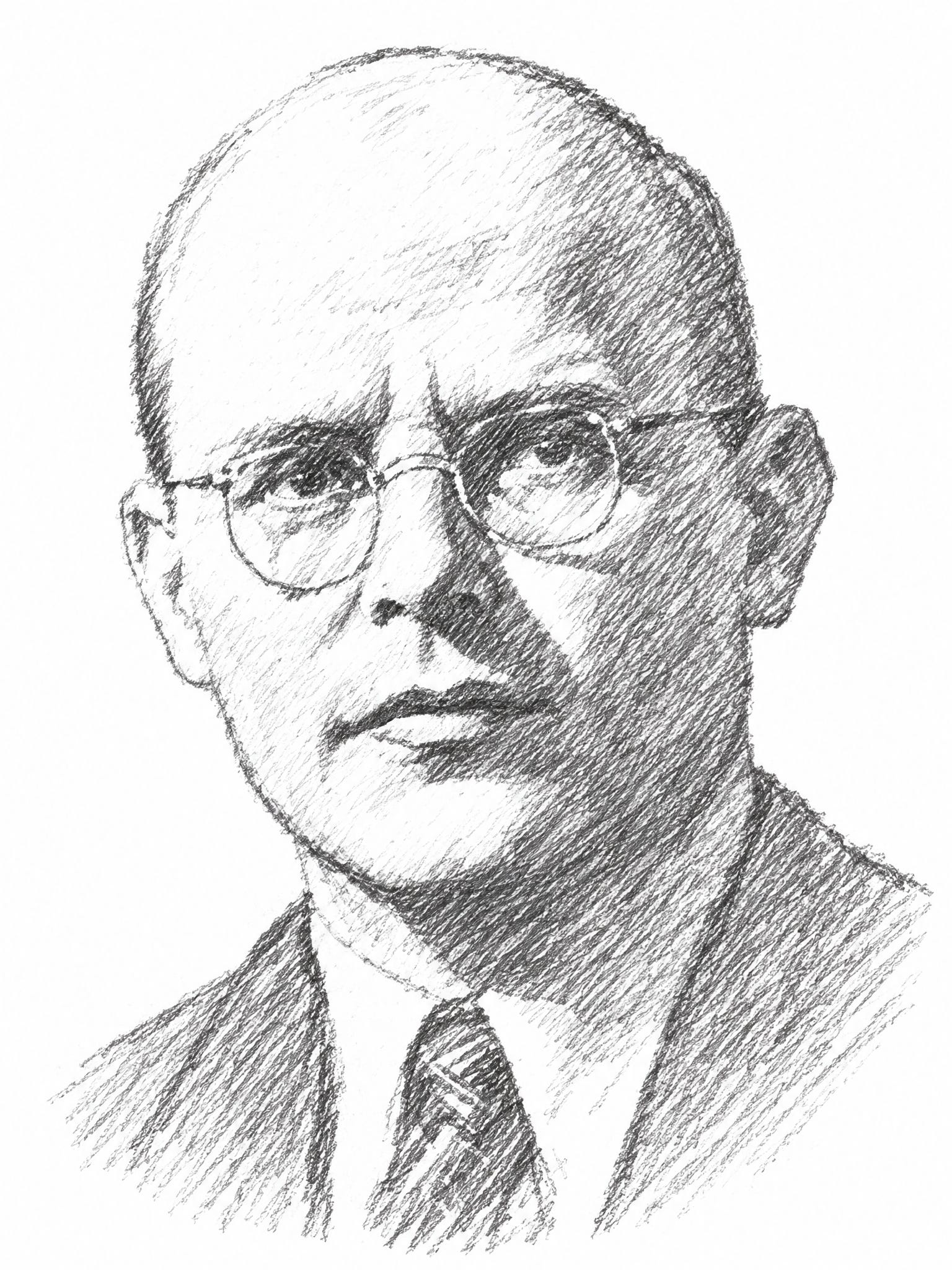
Dietrich Bonhoeffer was a German pastor and theologian. Two days after Hitler became chancellor in 1933, Bonhoeffer took to the radio to warn against a leader letting himself become an idol. The broadcast was cut off before he finished.
That April, in a paper for Berlin pastors titled “The Church and the Jewish Question,” he argued the Church’s duty might go beyond caring for the state’s victims, to the point of trying “to put a spoke in the wheel itself.” He later helped lead the Confessing Church, which refused Nazi control of the German church, and actively resisted Nazism. Arrested in 1943, Bonhoeffer was hanged at Flossenbürg concentration camp in 1945.
Christians Speak Truth to All Power
As the examples of these men remind us, Christians are tasked to speak truth and conviction to power, oftentimes at risk to self. However, a major error I believe much of the American Church has stumbled into is speaking truth to power selectively.
Too often over the last 10 years, Christians have applied and held up truths to those who are perceived as obstacles to our access to power, but also offered silent compliance to leaders of our choice if they will only pay a tribute of vain rhetoric and “Christian” identity. We are willfully blind and partial, in a way that can easily be wielded against our Faith and all it stands for.
This cannot be.
Nathan didn’t exempt David because David was Israel’s king. John didn’t go easy on Herod in exchange for a hearing at court. Even Hitler paid lip service to Christianity, and that did not lessen Bonhoeffer’s challenges to him. If our convictions only ever apply to the “other side,” we have traded the prophet’s role for a partisan one.
Your Job Starts Today
Today, people will be elected to office; some good, some bad. All should expect Christians to hold them morally accountable.
Your job, Christian, does not end at the ballot box. Your job as a voice of Christian conviction and accountability, especially to those you voted for, starts today.
Don’t neglect it.